

Ceramic balls

Balls - Micro balls

Ceramic balls

Ceramic balls are mainly used in harsh environments. Their main advantages on steel is that they have a density 40% lower than steel, have 29% lower thermal expansion and are 150% harder. In certain high-speed applications their life is extended hundred times. It is also used as grinding media. There are three main types.
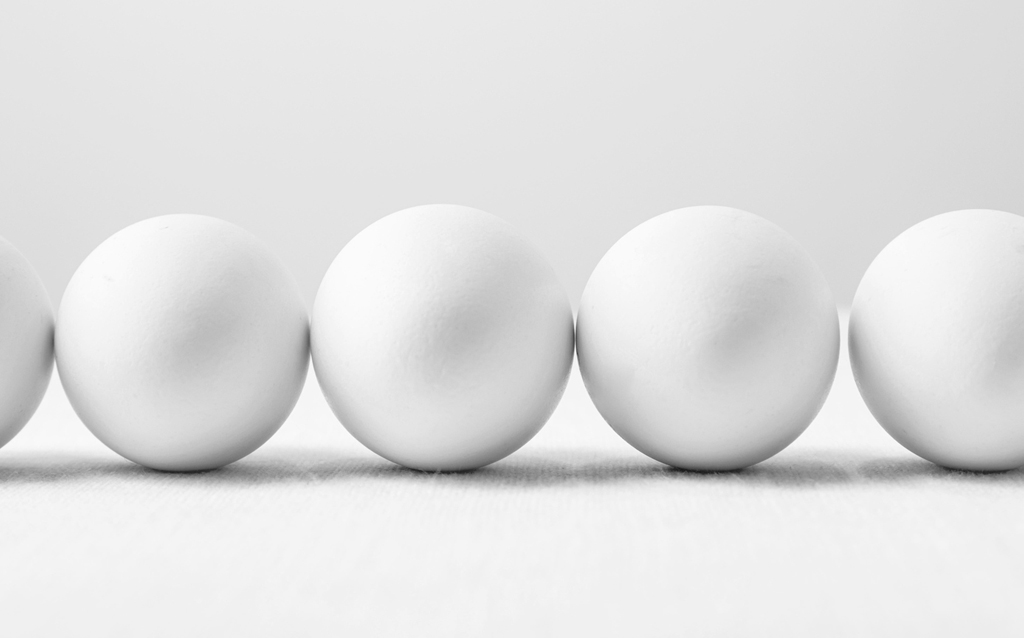
Alumina Oxide – ceramic balls

Alumina Oxide – ceramic balls
Composition99.5% Al2O3 / 0.5% other
Hardness1700 Hv
Ultimate Tensile Strength31,000 psi
Ultimate Compressive Strength>300,000 psi
Modulus of Elasticity53 x106 psi
Maximum Working Temperature1400oC
Corrosion ResistanceInert except for hydruofluric, hydrochloric acid and
hot concentrated sulphuric acids. Inert to most substances, not recommended for environments of strong alkaline solutions

Zirconia Oxide – ceramic balls

Zirconia Oxide – ceramic balls
Composition97% ZrO2 / 3% MgO
Hardness80 – 84 Ra
Ultimate Tensile Strength60,000 psi
Ultimate Compressive Strength285,000 psi
Modulus of Elasticity29 x106 psi
Maximum Working Temperature2400oC
Corrosion ResistanceInert to most substances, not recommended for environments of hydrochloric or strong alkaline solutions

Silicon Nitride – ceramic balls

Silicon Nitride – ceramic balls
Composition87% Si3N4 / 13% other
Hardness1400 – 1700 Hv
Ultimate Tensile Strength/
Ultimate Compressive Strength>570,000 psi
Modulus of Elasticity44-45 x106 psi
Maximum Working Temperature1000oC
Corrosion ResistanceInert to most substances.